The significance of child nutrition!
For optimal growth and development, children need the correct nutrients at the right times. The 1,000 days between conception and a child's second birthday are the most important for optimal nutrition.
Breastfeeding protects children from sickness, promotes brain development, and ensures that they have a safe and wholesome food source for the first 2 years of life. Infants should start breastfeeding within an hour of birth, be breastfed exclusively for the first 6 months, and breastfeed for at least another 2 years, according to UNICEF and the WHO. To learn more about child nutrition, please contact us!
Children should start eating solid foods at 6 months of age. The meals of early childhood should be nutrient-dense and include a range of food categories, and children should be fed often and in sufficient amounts throughout the day. Food should be prepared and served with sanitized hands and dishes, and caregivers should interact with their children to recognize when they are hungry.
Before the age of two, eating habits are more crucial compared to any other period in life. However, many babies and young kids today do not get the nourishment they require to live and grow.
Less than half of newborns throughout the world are taking advantage of nursing during their first hour of life, which can literally save their lives. And barely three out of every five infants under the age of six months are exclusively breastfed. Learn more about the role of nutrition in child development!
Too frequently, the first foods offered to children are monotonous and lacking in both energy and nutrients. The minimal diversified diet required for optimal growth and development is only consumed by one in 3 kids aged 6 to 23 months worldwide.
Young children's diets usually consist of cereals and are deficient in fruit, eggs, vegetables, dairy products, fish, and meat. More people are being served packaged foods with lots of salt, sugar, and fat, as well as sugary drinks.
The consequence of poor child nutrition
In a new study on children, food, and nutrition released today, UNICEF warned that an unacceptably large number of kids are experiencing the results of bad diets and a failing food system.
Between the ages of 6 months and 2 years, nearly two out of every three kids are not given nourishment that supports their quickly developing bodies and brains. They run the risk of having a developing brain, learning disabilities, lowered immunity, higher infections, and, in several cases, death.
We've forgotten this most fundamental truth despite all the recent advancements in technology, culture, and society: children who eat poorly live poorly.
Millions of kids live on unhealthy food since there aren't any other options available to them. Malnutrition needs to be understood and addressed differently: It is crucial to provide children with the correct foods, rather than just enough food. Today, that is the problem we all face. The assessment of child malnutrition in the twenty-first century in all of its manifestations in the report is the most thorough to date. The article discusses the triple burden of malnutrition, which includes undernutrition, hidden hunger brought on by a lack of key nutrients, and overweight in children under the age of five. It makes note of the following global statistics:
1. 149 million youngsters are underweight for their age or have impaired growth.
2. 50 million kids are wasted, underweight, or excessively tall.
3. One in two children, or 340 million youngsters, need important vitamins and nutrients like vitamin A and iron.
4. There are 40 million overweight or obese youngsters.
The study issues a warning that bad eating and feeding habits develop in children as early as the first year of life. Even though breastfeeding, for instance, can save lives, only 42% of infants under the age of six months are exclusively breastfed, and an increasing proportion of babies are fed infant formula.
In higher middle-income nations like Brazil, China, and Turkey, sales of milk-based formula increased by 72% between 2008 and 2013, partly as a result of inappropriate marketing and inadequate legislation and programmes to encourage, protect, and promote breastfeeding. Meet the best child nutrition in India!
Too many kids are exposed to the incorrect type of diet as they start moving from soft to solid foods all around the six-month mark, the survey claims. Nearly 45% of kids between the ages of 6 months and 2 years old aren't given any vegetables or fruits anywhere in the world. Almost 60% of people don't eat any dairy, seafood, meat, eggs, or eggs at all.
As children get older, the amount of bad food they are exposed to is worrying. This is partly due to inappropriate marketing and promotion, the prevalence of ultra-processed meals in urban and rural regions alike, as well as the easy availability of fast food and beverages with added sugar.
For instance, the study reveals that 46% of school-age teenagers in low- and moderate-income countries eat fast food a minimum of once a week, and 42% drink carbonated sugary beverages at a minimum of once a day. In high-income nations, the rates increase to 62% and 49%, respectively, for teens.
Obesity in children
Combating malnutrition in all of its manifestations is critical to ensuring universal health and well-being and, as a result, long-term development. To provide access to a diverse, balanced, and nutritious diet for all, coherent and creative measures throughout the food system and other sectors are required.
It is commonly believed that the rise in obesity is caused by a disparity between calorie intake and cost, with a boost in the positive energy equation being directly related to the lifestyle chosen and food consumption preferences.
Nonetheless, there is mounting evidence that an individual's genetic background has a role to play in predicting obesity risk. Research has made significant advancements in our knowledge of the elements that contribute to obesity.
One of the most important elements investigated as a reason for obesity is genetics. According to several research, BMI is 25-40% heritable. Yet, in order to alter weight, genetic vulnerability is frequently combined with other environmental and behavioural variables.
Less than 5% of occurrences of childhood obesity are caused by a hereditary component. As a result, while genetics can play a role in obesity development, it's not the cause of the substantial increase in juvenile obesity. See one of the best child nutrition in India!
The basal metabolism rate has also been looked at as a potential cause of obesity. The basal metabolic rate, often known as "metabolism," is the amount of energy expended by the body for typical resting processes.
In inactive individuals, the basal metabolic rate accounts for 60 percent of total energy expenditure. Obese people are thought to have a lower basal metabolism rate. Differences in basal metabolic rates, on the other hand, are unlikely to be the cause of increased obesity rates.
The availability of and regular exposure to nutritious meals are critical for building preferences and overcoming food aversions. Mealtime organisation is vital since studies show that families that eat together eat more healthful meals.
Additionally, dining out or watching Television while eating is linked to greater fat consumption. The feeding style of the parents is also important. The author discovered that authoritative feeding (deciding which meals to serve, allowing the kid to pick, and offering reasons for healthy alternatives) is connected with positive cognitions regarding healthy foods and better consumption.
Surprisingly, authoritarian restrictions on "junk food" are linked to an increased appetite for unhealthy foods and a greater weight.
Government and societal policies may also encourage healthy behaviour. According to research, the most important element in teen snack selections is flavour, followed by price and hunger.
Nutritional variables have been intensively researched for their potential impacts to growing obesity rates. Fast food intake, sugary beverages, snack items, and portion sizes are among the dietary aspects that have been studied.
The rising issue of obesity in children can be mitigated, if society focuses on the reasons. There are several factors that contribute to obesity in children, some of which are more important than others.
A community-based physical activity and nutritional intervention with a school element is more successful at preventing obesity and overweight.
Obesity in children can be caused by a variety of factors. Some of these causes are as follows:
1. A sedentary way of life
2. Unbalanced eating habits
3. Overindulging in fast food
4. Eating high-calorie foods
5. Consuming a lot of food
6. Consuming an excessive amount of sugary drinks
7. Mood swings
8. Family's socioeconomic status.
9. Some ailments, such as adrenal and thyroid disorders
Obesity treatment with child diet plan, health and nutrition
Obesity therapy in kids must be handled professionally and holistically. This includes a team of experts such as a dietitian, sports therapist, family support, and child compliance. What is child nutrition? Call us now!
The most essential objective of childhood obesity therapy is to maintain weight management throughout the child's life. As a result, regular nutrition and athletics should be incorporated into the child's daily routine. The following is indeed a list of recommendations for treating childhood obesity.
1. More enjoyable hobbies that entail mobility
2. More time to play
3. Physical exercise, ideally as a member of a team for sports
4. Increasing your intake of fruits and veggies
5. A practice of eating frequent, nutritious meals
6. Reduce your intake of sugary and fizzy beverages.
Obesity and child diet plan & nutrition
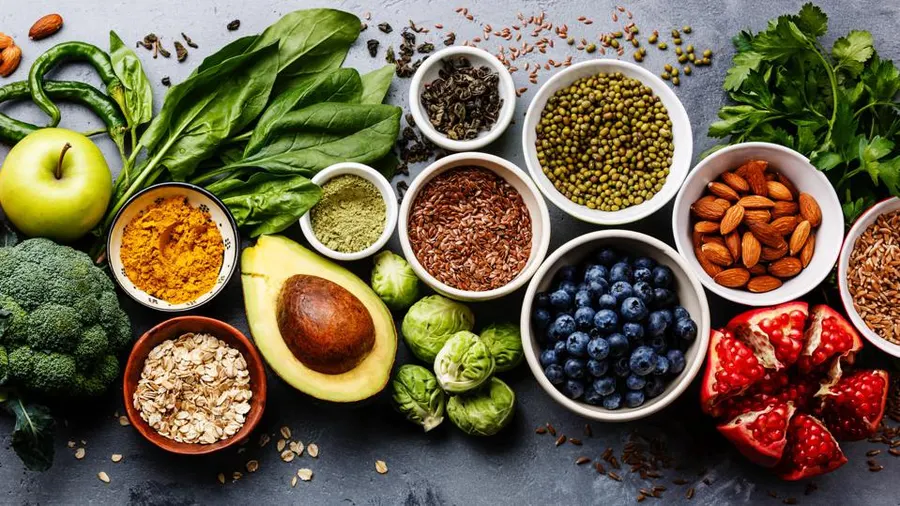
In a nutshell, the five major food groups, which comprise grains, dairy, protein, veggies, and fruit, are an excellent place to start with any diet. Because the quantities of each food category are highly influenced by age, genetic composition, and physical activity, all kids will have varied portion sizes.
In other words, even if two kids of the same age and gender are the same age, they may require different portion amounts. That's why it is critical to avoid comparing your child's diet to that of other youngsters. Furthermore, because children are in a phase of growth and development, nutrition is critical.
In reality, weight reduction in children differs from weight loss in adults. This is why we stated that treating childhood obesity requires a collaborative effort. Nutritional restrictions used to lose weight in children can result in malnutrition, eating disorders (anorexia and bulimia nervosa), poor focus, and stunted growth.
As a result, energy-restricted diet plans are not suggested in the nutritional therapy of adolescents and obese children. In some circumstances, however, energy-restricted meal programmes may be beneficial. It is dependent on the child's circumstances.