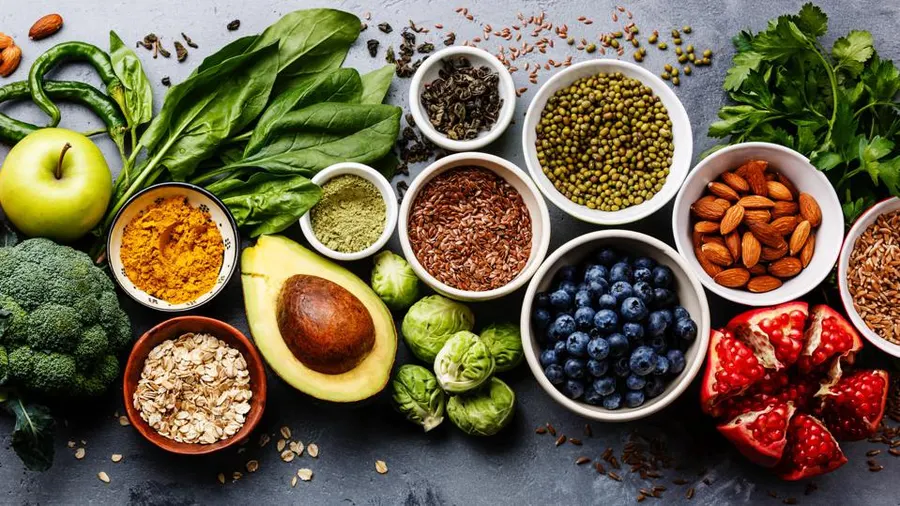
IBS and constipation diet plan Eating a healthy diet low in saturated fat and FODMAPs can help you manage your IBS symptoms. Lean proteins, eggs, fatty seafood, leafy vegetables, nuts, seeds, and sugar-free foods are some examples of these. If you suffer from IBS, fermented diets might also benefit your intestinal bacteria. For an IBS & constipation diet plan at home, you need an experienced dietitian!
Working with a dietitian can support you in developing a customized diet plan to help control your symptoms and identify any potential dietary or lifestyle triggers for your IBS.
The digestive system's functionality is impacted by the chronic illness known as irritable bowel syndrome (IBS). It may result in bloating, stomach pain, and/or a change in bowel habits (constipation and/or diarrhea).
Although there are numerous accessible therapy choices, there is no one unique and effective treatment for this issue; what works for one individual may not necessarily work for you. Depending on how they are treated, symptoms can last anywhere from a few days to several months at a time and alter over time.
The signs of Irritable bowel syndrome (IBS)
Individuals experience the symptoms differently, and some are more severely affected than others. Some people's symptoms appear to be brought on by recent stress, food sickness, or something they've eaten or drunk. Some IBS symptoms could disappear after using the restroom and unlocking the bowels.
Symptom flare-ups might last for some days, but after that, they normally get better. While symptoms might change during episodes, they might not go away.
IBS most frequently manifests as:
1. Discomfort or pain in the abdomen (stomach). Your lower abdomen's left side is where you'll often feel this ache. Following a meal, this soreness may aggravate and then subside.
2. Constipation and diarrhea may alternate as a shift in bowel habits. You could pass only a small amount of mucus, and your feces' consistency can change.
3. Feeling the desire to use the restroom immediately. Your bowels could not feel completely empty after the movement, or vice versa.
4. Your stomach may feel swollen. Choose a perfect IBS diet plan!
5. Some drugs may potentially have gastrointestinal side effects. In other circumstances, you could go months without experiencing any symptoms before they suddenly start to worsen.
Even though some IBS sufferers may encounter some of these issues, not all symptoms are necessarily related to the condition. Make a meeting with the doctor if you experience any of them.
Due to how they affect daily life, IBS symptoms could have a psychological effect on a person. You can therefore experience additional symptoms like worry or despair. Your mental health is equally as essential as your physical health, so it's crucial to get treatment if you suspect this could be the case. You can get help managing your sadness or anxiety from your doctor.
What triggers IBS?
Despite the fact that the exact origins of IBS are unknown, many professionals think it is connected to digestive issues and raised gut sensitivity. Although the etiology of irritable bowel syndrome is unknown, there are some established risk factors, based on the IBS Network:
1. Gastroenteritis (vomiting and diarrhea)
2. Enduring a terrible or distressing experience
3. Certain antibiotic regimens
Gastrointestinal Issues
Our bodies move rhythmically, relaxing and contracting the intestines to encourage movement, which helps food pass through our digestive tracts. But it's believed that this mechanism is distinct in those with IBS. Either too much or too little food is digested in the intestines. Call us for constipation diet plan at home!
The digestive system cannot keep up with the rate at which food moves through the intestines. It can cause diarrhea if it doesn't have ample time to soak up the wetness from the meal.
However, if food is digested too slowly, the body will absorb an excessive amount of water. Constipation happens when your feces are firm and difficult to pass.
It's a frequent misconception that IBS patients have digestive issues because their brain-gut communication is being interfered with.
The digestive tract is in charge of a wide range of bodily feelings. For instance, your digestive system alerts your brain when you are full, hungry, or in need of the restroom.
According to some professionals, those who have IBS are extremely sensitive to these indications. So, for instance, moderate indigestion, which is hardly perceptible in other individuals, might develop into an agonizing ache for those with IBS.
It's a frequent misconception that IBS patients have digestive issues because their brain-gut communication is being interfered with.
The digestive tract is in charge of a wide range of bodily feelings. For instance, your digestive system alerts your brain when you are full, peckish, or in need of the restroom. According to some professionals, those who have IBS are extremely sensitive to these indications.
So, for instance, moderate indigestion, which is hardly perceptible in other individuals, might develop into an agonizing ache for those with IBS.
Lifestyle variables
Traumatic incidents such as abuse during childhood, sickness, bereavement, or stress, are just a few examples of lifestyle choices and psychological variables that may contribute to IBS.
Although the physical symptoms of IBS are quite genuine, this does not imply that it is a mental illness. Stress or worry, for example, can cause the body's chemistry to shift in a way that interferes with the bowels' normal operation.
You might still feel the impacts of this chemical alteration even if you don't have IBS. When under pressure, such as when giving an exhibit at work or taking a major exam, you might have noticed a rapid shift in your bowel habits.
Your sensitivity to stress may have increased as a result of adversity in childhood, and symptoms may worsen under stressful or traumatic circumstances.
IBS has a deep history. For some people, stress may be a significant factor, but not everyone. Consider the fight-or-flight response. Many of our biological processes, including digestion, stop working when we are in a highly stressful scenario.
IBS diagnosis
IBS doesn't require any special testing to be identified, in contrast to certain medical illnesses that do. This is because the illness doesn't result in any digestive system abnormalities that are readily apparent. To differing degrees, the disease has different impacts on everyone.
The most crucial thing you can do in light of this is to provide your doctor with a detailed account of the signs you've encountered. If you have had any of the usual IBS symptoms for at least 6 months, your doctor will often consider screening you for the condition. Diet4U Wellness is known for its constipation diet plan at home!
The "Rome criteria" is a categorization system utilized for all active gastrointestinal diseases, including IBS, and is one technique of diagnosis that general practitioners employ. This criterion states that if you have had stomach pain at least once a week during the last three months, a diagnosis will be given. This comes together with 2 or more of the other symptoms listed below:
1. Passing stools and feeling relief
2. Frequent bathroom visits and seeing a shift in the texture of your stools
Making a note of symptoms in a journal might be useful for aiding in a diagnosis. This will make it easier to see how frequently your symptoms occur and identify any patterns. If you consult your doctor, you may use this as a reference. A perfect IBS diet plan with Diet4U Wellness is the best choice!
Excluding other circumstances
IBS may frequently be identified in this way, only based on your symptoms. In rare cases, further testing may be required to rule out other potential causes or symptoms. Call us for the organic IBS & Constipation Diet Plan.
You could have blood testing, for instance, to rule out other disorders that have symptoms that are similar, such as an infection or celiac disease. It can also be essential to collect a sample of your faeces, depending on what you're being tried for.
Red flag signs
If you exhibit any of the given "red flag" symptoms, which might point to a more serious issue, more testing will be done:
1. Anaemia
2. Unaccounted-for weight loss
3. Haemorrhage coming from the rectus
4. A bulge in your stomach or back passage
IBS symptoms are frequently controlled by food and lifestyle modifications. Knowing what causes your IBS might help you choose the most effective management strategies for your symptoms. Sometimes doctors advise taking medication or getting counseling.
It is believed that certain foods, like alcohol and carbonated beverages, and behaviors, such as smoking, might cause certain symptoms.
Your doctor should be your first point of call if you have IBS symptoms. If no underlying medical conditions are discovered, they could suggest dietary supplementation. A nutritionist can help you identify potential triggers for your symptoms and can also walk you through any necessary lifestyle adjustments.
A food diary might be helpful because there is no "one size fits all" solution when it pertains to nutrition and IBS. Learn from Diet 4U Wellness, how to treat constipation naturally.
Understanding how you respond to various meals might help you manage symptoms because a diet that is beneficial for a person may not work for you. Note which meal makes your symptoms worse. Add a portion of food to the list if it seems to reduce symptoms.
A customized IBS diet plan for you and your symptoms may be created after you and the nutritionist have a list of probable trigger foods.
Fibre
In controlling IBS & constipation symptoms, fiber can be quite helpful. A specialist could advise you to change the quantity of fiber in your diet as a result.
Fiber comes in both soluble and insoluble forms. Soluble fiber (which is soluble in water) can be processed by the body; insoluble fiber (which doesn't dissolve in water) cannot. For instance, increasing the quantity of fiber (which is soluble) in the diet and drinking more water can assist if you have constipation.
Why seek advice from a nutritionist if you have IBS?
When you have IBS, one meal decision may completely destroy your day by causing severe stomach pain or bothersome bowel issues.
An expert in nutrition is aware of this and is aware of how crucial the connection between health and diet is. They can assist you in managing the disease safely by using their knowledge and analyzing your dietary practices and symptoms.
A nutrition specialist can conduct comprehensive nutrition evaluations to identify any relevant dietary or lifestyle causes. This may then be utilized to create a strategy that is suited for you along with your signs. Remember to check with your doctor to rule out any other problems before implementing any dietary adjustments.
Lifestyle modifications for IBS
IBS symptoms can significantly affect a person's quality of life. But symptoms can be reduced and easily managed with proper dietary modifications and a few essential lifestyle changes.
If you have IBS, it's crucial to find out everything you can about the illness from your doctor or a nutritionist. They may instruct you on the most effective approaches to lessen your particular problems. Contact Diet 4U Wellness for an IBS & constipation diet plan at home!
Along with particular recommendations, there are also broader strategies you can use to lessen how symptoms affect your life ways, such as altering your bond with food and scheduling more downtime for leisure activities like exercise and relaxation.
Be more careful when eating
We depend on food to survive, so it plays a significant role in our lives. But even more broadly, food and drink have a significant role in how we live. We schedule our days around meals, but food also frequently plays a role in our social life, such as going out to dine with family and friends.
While it may be difficult to give up your favorite meals, it is advised to do so if doing so may lessen your suffering if the food makes your IBS symptoms worse.
Unavoidably, there are occasions when some foods must be consumed, or when you consciously choose to consume them. It's critical to consider if consuming the meal will outweigh the side effects you encounter when making this choice. Contact us to treat constipation naturally!
Know the symptoms you're likely to have and where you'll be, like in the warmth of your own house.
You can make certain widespread dietary modifications, such as:
1. Limiting your daily intake of coffee and tea to no more than two
2. Consuming alcohol in the prescribed quantities (your tolerance may vary)
3. Drinking water
In addition to them, make an effort to eat a diversified diet throughout the day that is composed of good, fresh foods. Making sure you consume adequate minerals and fiber may support regular bowel movements and lessen the negative effects that IBS & constipation have on your lifestyle.
Along with practicing mindfulness and raising nutrition awareness, it's crucial to make an effort to lower your stress levels because better mental health can help with IBS symptoms. There are several ways to accomplish this. We offer you an IBS diet plan!
Relaxation
Your ability to relax may be hampered by a hectic schedule, a demanding profession, or family members to care for.
However, did you realize that anxiety and stress might be variables that are creating or exacerbating your IBS symptoms? Because the mind and the stomach have so many intricate connections, stress reduction techniques can be useful in reducing symptoms.
Exercise
It is extremely beneficial for our bodies and minds for us to move our bodies and schedule regular physical activity. We experience the production of "feel-good" chemicals like endorphins and adrenaline, which both provide a natural high.
The ability to escape from the stressor itself is another benefit of joining a team for sports or fitness sessions. Especially if you select an activity like yoga that combines both rest and movement.
More importantly, though, regular exercise may maintain your digestive system in good working order, which is especially beneficial if constipation is among your symptoms. Exercise can also keep you physically fit and prevent the onset of conditions like high blood pressure, high cholesterol, and heart disease. Call us for an IBS & constipation diet plan at home!
General FAQs
What exactly is IBS?
The gut is impacted by the illness known as irritable bowel syndrome (IBS). IBS causes issues with intestinal motility, which is the passage of digested food through the intestines, and sensitivity, which is how the mind interprets signals that intestinal nerves relay, which results in symptoms including stomach discomfort, altered bowel habits, and other symptoms.
It may provide some solace to know that IBS is not a life-threatening condition and does not cause tumors or many other diseases, even though it is frequently disruptive, incapacitating, and unsightly.
What signs are most typical?
Abdominal pain and inconsistent bowel movements cause diarrhea, constipation, or alternating bouts of both.
How can one tell whether they have IBS?
It is frequently possible for doctors to diagnose IBS based just on symptoms. Your doctor will examine you physically and conduct a thorough medical history, which will include an in-depth evaluation of your symptoms. It is crucial to be open and detailed with the doctor about your issues because of this. To assist doctors in diagnosing IBS, a set of precise symptom criteria known as the Rome IV parameter was created. We help you with IBS & constipation diet plan.
In accordance to the Rome IV criteria for diagnosis, IBS is distinguished by recurring abdominal discomfort that has occurred two or more times in the previous three months and, on average, has lasted at least one day per week.
1. Defecation-related symptoms
2. Symptoms of an alteration in stools frequency
3. Symptoms brought on by a change in stools' appearance,
Can IBS kill you?
Never, IBS is a chronic (long-term), but controllable disorder; with an appropriate treatment plan, up to 1/3 of IBS patients could experience symptom-free periods. Call us for an IBS diet plan!
Does IBS have any difficulties?
IBS can be painful and stressful, but it doesn't harm the intestine permanently or cause tumors or many other serious illnesses.
Is there a diet for IBS?
The FODMAP diet is among the most often suggested diets by medical experts to reduce IBS symptoms. Fermentable carbohydrates, commonly referred to as FODMAPs (fermentable oligosaccharides, disaccharides, monosaccharides, and polyols), are tiny sugar molecules found in common meals that some people may have trouble absorbing in the small intestine.
Intestinal bacteria ferment (digest) FODMAPs, which can cause symptoms including gas, diarrhea, constipation, and stomach discomfort. Among the well-studied diets, the low FODMAP diet shows a substantial reduction in symptoms for between 50 and 80 percent of IBS sufferers.
I have IBS; would probiotics help?
If other dietary methods have failed to help you with your symptoms, you might find it beneficial to try a probiotic (in the recommended dose). Probiotics, however, are not medications! They can be bought as capsules, pills, or powders, and certain fortified yogurts and fermented milk items also include them.
But all probiotics are not created equal. It's critical to pick a solution that has been shown to be secure and beneficial for the particular symptoms you wish to treat. Consult your physician or pharmacist for advice on the best probiotic for you.
Exist any other treatments for IBS?
While your doctor will still write you the necessary prescriptions, talking to them about "mind-body connection activities" and efficient over-the-counter IBS remedies may help you identify additional options for managing your symptoms and make you feel more proactive and in control of your diagnosis.
A "relaxation response" is brought on by activities like meditation, yoga, tai chi, and breathing exercises. It is a method of actively emphasizing relaxing and slowing down. Products like probiotics and peppermint oil might be useful in reducing the general digestive symptoms of IBS, such as bloating, abdominal discomfort, and bowel urgency. There are vitamins, laxatives, and stool softeners available for constipation. When you are constipated, fiber helps to move things along in your digestive tract. It also gives your stool more weight, which slows down diarrhea.
What distinguishes IBS from IBD?
Despite the fact that both conditions can be severely debilitating, there are a number of key distinctions between Irritable Bowel Syndrome and Inflammatory Bowel Disease (IBD). IBD is an autoimmune condition that results in intestinal enlargement and ulcerations (sores).
IBS involves issues with sensitivity and bowel motility (how the stool transports materials through our intestines). IBS symptoms can come and go and perhaps go away entirely, but IBD is chronic.
Is IBS treatable in some way?
IBS is no known "cure," but with the correct lifestyle, nutritional, cognitive, and occasionally medical therapies, the majority of symptoms may be controlled to the extent that they are no longer negatively affecting the quality of life.
If you experience any concerning symptoms, such as blood in the stool or weight loss, you must speak with a GI professional right away. They can offer you treatment alternatives or more diagnostic tests to help evaluate whether your symptoms are caused by IBS or another GI problem.
What makes IBS more prevalent in women?
Hormonal variations between the sexes may account for some of the discrepancies, but other explanations include cultural differences, healthcare-seeking patterns, and access to healthcare. IBS is equally common in both men and women in Asia, however, studies reveal that in the United States, women are two times as likely to develop IBS as males. Call Diet4U Wellness for the best IBS & constipation diet plan at home!
What foods cause IBS to flare up?
Some IBS sufferers may have a tougher time tolerating any meal that might cause gas, bloating, or diarrhea. The usual suspects include lactose-containing dairy products, sugar, artificial sweeteners, and cruciferous veggies like cauliflower, and broccoli.
Since every person's experience is unique, maintaining a food diary in which you track your meals and how they make you feel might help you find out which foods can make symptoms worse.