IVF & Fertility Diet Plan
Although the idea of using food as medication is not new, many people still find it difficult to accept.
After the epidemic or after receiving the upsetting infertility news, many people struggled with a few extra pounds. Patients frequently ponder how their eating choices impact their capacity to conceive.
It is crucial to recognize that even the cleanest diets cannot reverse the more severe diseases that both men and women experience infertility. Dietary modifications won't help clear a blockage, for instance, if a woman's fallopian tubes are obstructed and blocking sperm from fertilizing an egg. Fortunately, situations like these can benefit from treatments like in vitro fertilization (IVF) offered by reproductive specialists.
The relationships between dietary habits, food preferences, and infertility have been examined in several studies. These IVF & Fertility diets often emphasize options in macro (large) and micro (small) nutrients. They provide guidance on what kinds of proteins, carbs, fats, and vitamins to eat in your diet in more understandable terms. In each of these trials, tens of thousands of women were tracked throughout their cycle of conception and pregnancy. The table below provides a summary of the results.
Fertility and weight have a well-known relationship
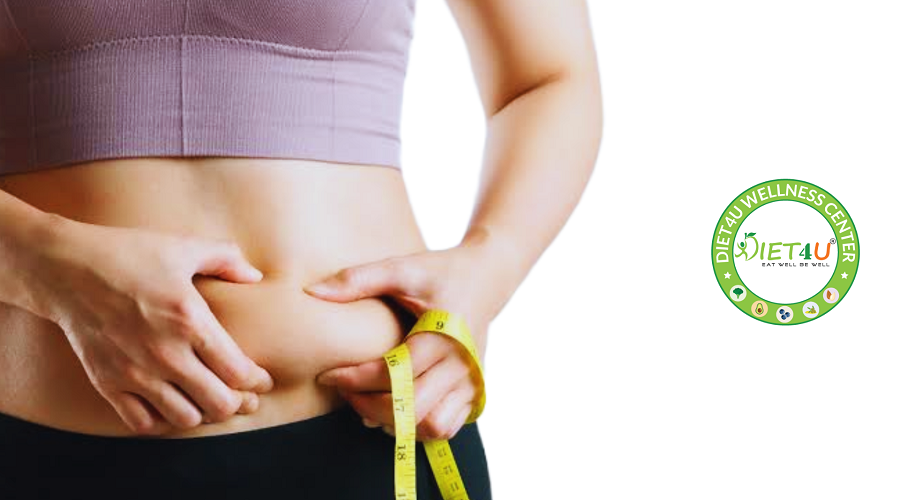
Patients, whether they are male or female, should be aware that being either obese or underweight can significantly affect their fertility. The female and male reproductive setup depends on a delicate hormone balance to function correctly, and when stress is imposed on these systems due to low or high body weight, their normal chemical cycles start to disintegrate.
Obese or underweight women have been reported to have greater rates of infertility and worse success rates for IVF conception. In terms of the number of sperm and motility of sperm (the speed at which sperm travel), obesity in males has been proven to have a detrimental effect on male fertility. This can be further complicated by insulin resistance and diabetes. For more information about IVF & Fertility Diet Plan.
Female’s Obesity
Being overweight has been associated with the onset and aggravation of polycystic ovarian syndrome (PCOS), a frequent cause of impotence in women that is mostly brought on by irregular menstrual cycles and uneven ovulation. If a PCOS patient who is overweight reduces just between five and ten percent of her overall weight, her symptoms, notably infertility, can be lessened.
Your life adjustment with PCOS
How can you tell whether your weight is influencing your fertility? Taking a closer look at your body's mass index (BMI) is a smart place to start. BMI can help patients determine if they would benefit from decreasing or increasing weight in order to increase their fertility, even though it is unable to take into account critical elements like muscle weight and fat mass proportion. A BMI of 18.5 or less (underweight) or 30 or more (obesity) is typically considered to be a sign that a patient's weight is negatively affecting their fertility.
A perfect IVF & Fertility Diet Plan
Keeping an eye on your food is crucial if you've been having problems becoming pregnant. Healthy food paves the way for a happy pregnancy and serves as the cornerstone of a long-term healthy eating plan for new mothers. Whatever way you look at it, that is a winning combo.
Trans fats should be avoided. Trans fats are typically included in certain margarine, fried meals, processed items, and baked goods and are frequently found in modified vegetable oils. Increased consumption of unsaturated vegetable oils is advised. Additionally, one should aim to increase the body's response to insulin and reduce inflammation, both of which are beneficial for conception.
Increase the number of nuts, seeds, and cold-water seafood like salmon and sardines as well as vegetable oils. Limit saturated fat intake. Instead of no carbohydrates, choose slow carbs. By regulating blood sugar and insulin levels, choosing slowly absorbed, high-fiber foods such as whole grains, whole fruits, vegetables, and legumes over quickly absorbed foods fertility. People with PCOS will particularly benefit from this.
Good antioxidants including vitamins C & E, folate, beta carotene, and lutein are abundant in foods like fruits, vegetables, nuts, and grains. Fertility rates can be increased by taking an anti-oxidant supplement or consuming foods high in antioxidants, especially in infertile males.
If you consume milk, go for whole milk when attempting to conceive, or have a modest serving of full-fat ice cream or yogurt each day.
Try taking a multivitamin. Before becoming pregnant, taking 400 mcg of additional folic acid daily may actually help you begin eating for two.
The presence of extra iron in plants, such as that found in whole-grain cereals, pumpkin, tomatoes, spinach, beans, and beets, appears to support conception.
Drink for your wellbeing. Water is the finest liquid to keep your body hydrated. Alcohol, coffee, and tea can all be used in moderation. But avoid sugar-sweetened beverages; they seem to encourage ovulatory infertility.
Obesity can disrupt a woman's regular menstrual cycles, delay ovulation, or prevent it entirely. The ideal body mass index (BMI) level for fertility is 20 to 24. It's almost as good to try to increase or decrease your weight in order to shift your body mass index (BMI) in that way. Daily exercise can assist in increasing fertility if you don't exercise much and have a weight that is over the fertile zone. But be careful not to overdo it since excessive exercise, particularly if you are fairly slim, might disrupt ovulation.
A well-being body and reproduction depend on a proper diet. In reality, studies have demonstrated that adopting a healthy diet and altering your lifestyle may help increase fertility and get your body ready for childbirth. Furthermore, your egg and sperm quality within ninety days from now will depend on the lifestyle and diet choices you make now.
Making appropriate dietary and lifestyle decisions now is crucial if you're attempting to get pregnant. For more informaton contact us IVF & Fertility Diet Plan.
What environmental and lifestyle variables may play a role in female infertility?
The fertility in women is impacted by a variety of lifestyle variables. Dietary Supplements, exercise; stress from work and home; occupational and environmental exposures; substance use and abuse; and pharmaceuticals are a few examples, but there are many more as well.
For instance, studies reveal that:
- Losing five percent of body weight significantly increases the chance of fertilization and pregnancy in obese women with polycystic ovarian syndrome (PCOS).
- Women's infertility and ovarian dysfunction are both associated with being underweight.
- It is well recognized that excessive exercise can harm a woman's fertility and ovulation.
- Women lose fertility when they use substances, including alcohol excessively, heroin, cocaine, and other illicit drugs including marijuana and cocaine.
- Both males and females may become infertile as a result of radiation treatment and chemotherapy. Consider fertility preservation if you need to endure these kinds of therapies.
Modifications to raise your chances to get pregnant
Your standard of life may be greatly impacted by what you consume, how you handle stress, and how well you sleep. Your fertility and capacity to become pregnant might be significantly impacted by the same factors that have an effect on your general health. The following modifications can be made to increase your chances of getting pregnant.
Keep your body at a healthy weight
Women categorized as underweight, overweight, or obese are more likely to experience irregular menstrual periods. Your chances of experiencing regular ovulation will considerably increase after you reach a healthy weight.
Eat a balanced diet
Start the day with a wholesome breakfast. Research demonstrates that a nutritional boost in the morning might enhance fertility.
Eat your vegetables, next. And think about substituting plant-based protein sources like beans for some animal-based protein sources. Animal-based protein restriction can reduce your risk of infertility, according to studies.
Reduce your carbohydrate intake, especially processed carbohydrates. Refined carbohydrates, according to studies, may disrupt your menstrual cycle.
Exercise regularly
Aim for at least thirty to sixty minutes of workout five days a week. Moving around, swimming, cycling, doing pilates, and dancing are among the exercises that might increase your chance of getting pregnant.
Get rid of bad habits
The best course of action is to fully abstain from alcohol, however drinking in moderation is OK. It can disrupt ovulation if a person drinks alcohol excessively, which is characterized as more than eight drinks per week. Men and women who smoke experience issues with conception. In addition to accelerated aging of your ovaries, smoking is linked to a reduction in egg generation and viability.
Reduce your exposure to pollutants in the environment
Lead, pesticides, and dry-cleaning solution pollutants and poisons can harm your general health, particularly your reproductive health. Reduce or stop exposing yourself to these pollutants.
Prioritize your own wellness
We are a full-service practice with a focus on maintaining and treating women's health. Personal family planning is part of the comprehensive gynecological and obstetrical treatments we offer.
Best advice on IVF & fertility Diet Plan
The complete picture is not particularly clear since it is difficult to distinguish food from other factors, but what you eat might alter your likelihood of getting pregnant. What is certain is that full grains, healthy fats, and proteins are the ideal diets for conception as well as general well-being.
The ideal guidance is to:
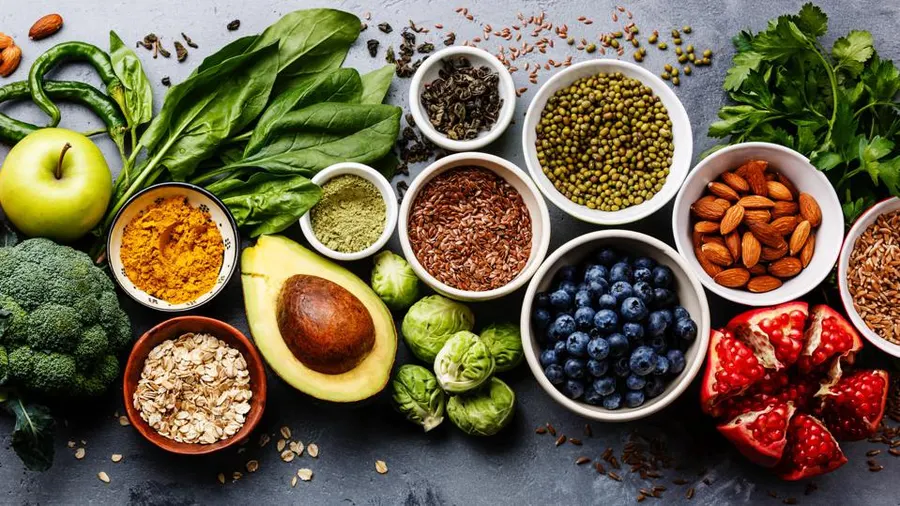
- Alternatives to white processed meals (such as white bread, rice, and pasta), include wholegrain, high-fiber options like bread with seeds, brown rice, and pasta.
- Consume more fruits, veggies, legumes, and other healthy foods
- Avoid eating fried meals, pastries, biscuits, pies, and cakes that are high in saturated fats.
- Eat more unsaturated 'healthy' fats like avocados, almonds, oily seafood, and seeds.
- Avoid sugary foods and beverages such as candies, cookies, cakes, and carbonated beverages.
Best fertility diet plan
Some women could use these supplements to improve their chances of conception and promote fetal growth.
Micronutrients, such as vitamins and minerals, are included in fertility supplements, which may help individuals have more pregnancies.
Despite the fact that there hasn't been much substantial research on the topic, the 2019 systematic review found according to a reliable source, a female's intake of micronutrients may have a role. The scientists discovered that vitamin supplements had a negligible positive impact on how long it took for women to conceive.
In addition, a study conducted in 2017 suggests that vitamin D could help in conception. Women who are at greater risk for vitamin D insufficiency may have a lower chance of getting pregnant and carrying a child to term.
Selenuim, Vitamins, Hemoglobin, and reproductive health
A trace mineral called selenium is essential for numerous body processes, such as cellular metabolism, immunological response, and antioxidant activity. It may be obtained as a nutritional supplement and through nuts, shellfish, poultry, and eggs. Selenium is significant because it can aid in preventing oxidative cell damage, which can cause various health issues, including infertility.
According to recent research, selenium may help lower the chance of developing some cancers, including colorectal, lung, and prostate cancer. Additionally, it has been shown that selenium supports thyroid health, regulating the synthesis of hormones that govern metabolism. However, it is crucial to remember that consuming too much selenium may be detrimental, thus it is advised to do so in moderation and with a doctor's approval.
Selenium and Female Fertility
Both independently of its role in GSH activity and as a consequence, selenium is a potent antioxidant. This might be the reason for its possible advantages for fertility in females, including conception and pregnancy. Ovarian follicle growth may be supported by selenium, which may also increase the health of eggs. As a result, the female hormones progesterone and estrogen can grow as they should, supporting the generation of sexual hormones.
The numerous selenoproteins, including selenium, support thyroid gland function, which is vital for women's health, particularly during pregnancy. The chances of miscarriage, abruption of the placenta, hypertensive problems, and growth limitation are all increased when thyroid illness is ignored. It may be challenging to conceive due to thyroid abnormalities that affect fertility.
The placenta may be protected from oxidative stress thanks to selenium's antioxidant status, and the likelihood of problems like preeclampsia and pregnancy diabetes may be reduced. Selenium has also been discovered to be essential for breastfeeding.
Another mineral connected to fertility is vitamin D, sometimes known as the "sunshine vitamin." It supports the general health of the organs that reproduce and aids in the regulation of hormone production. The frequent infertility condition polycystic ovary syndrome (PCOS) in women has been linked to vitamin D deficiency. Vitamin D affects the quantity and quality of sperm in males. Spend time outdoors in the sun, eat fatty fish like fish such as salmon, boosted dairy products, and, if required, take supplements to increase your vitamin D levels.
Despite its importance for reproductive health, vitamin B12 is frequently disregarded. Insufficient vitamin B12 levels can cause women to experience irregular menstruation periods and even miscarriages. It may affect the quality of male sperm. Make sure you consume enough vitamin B12 by including foodstuffs like lean meats, dairy, eggs, and enriched cereals in your diet.
Women who wish to become pregnant must maintain healthy hemoglobin levels. Low hemoglobin levels, which cause anemia, might cause irregular menstrual periods and impair fertility. A healthy reproductive system and the prevention of anemia may both be achieved by consuming iron-rich meals like spinach, lentils (Dal), and red meat.
A good IVF & fertility diet plan high in selenium, vitamin B12, vitamin D, and iron is necessary for treating infertility holistically. These nutrients are crucial parts of a fertility-friendly meal because they promote female sexual wellness in important ways. These nutrients can dramatically increase the odds of fertilization for couples who are having trouble becoming pregnant, even if they may not be able to resolve all fertility concerns on their own.